STEM & Community
Engineering and science are not only things I want to learn. They are things I want to share.
The more I learned about STEM, the more I wanted to share it with other people.
I started by helping younger students with the things I was already learning myself — electronics, programming, circuits, and small engineering projects. Over time, that turned into mentoring, workshops, STEM activities, and eventually projects where students could build something of their own.
What I enjoy most is seeing the moment when something that seemed complicated suddenly starts to make sense.
Learning Together Through STEM
Learning Together Through STEM
When I mentor students, I try not to make the process about giving them the right answer.
Sometimes a student gets stuck on a circuit that should work but doesn’t. Sometimes the code keeps returning an error. Sometimes a project looks fine in theory but completely falls apart when they actually build it.
I know that feeling because I have been there too.
So instead of solving the problem for them, I usually ask a few more questions and let them try again. We might go through the circuit together, look at the code, change one small thing, and see what happens.
That process has become one of my favorite parts of mentoring.
I don’t want students to remember the answer I gave them. I want them to remember how they figured it out themselves.
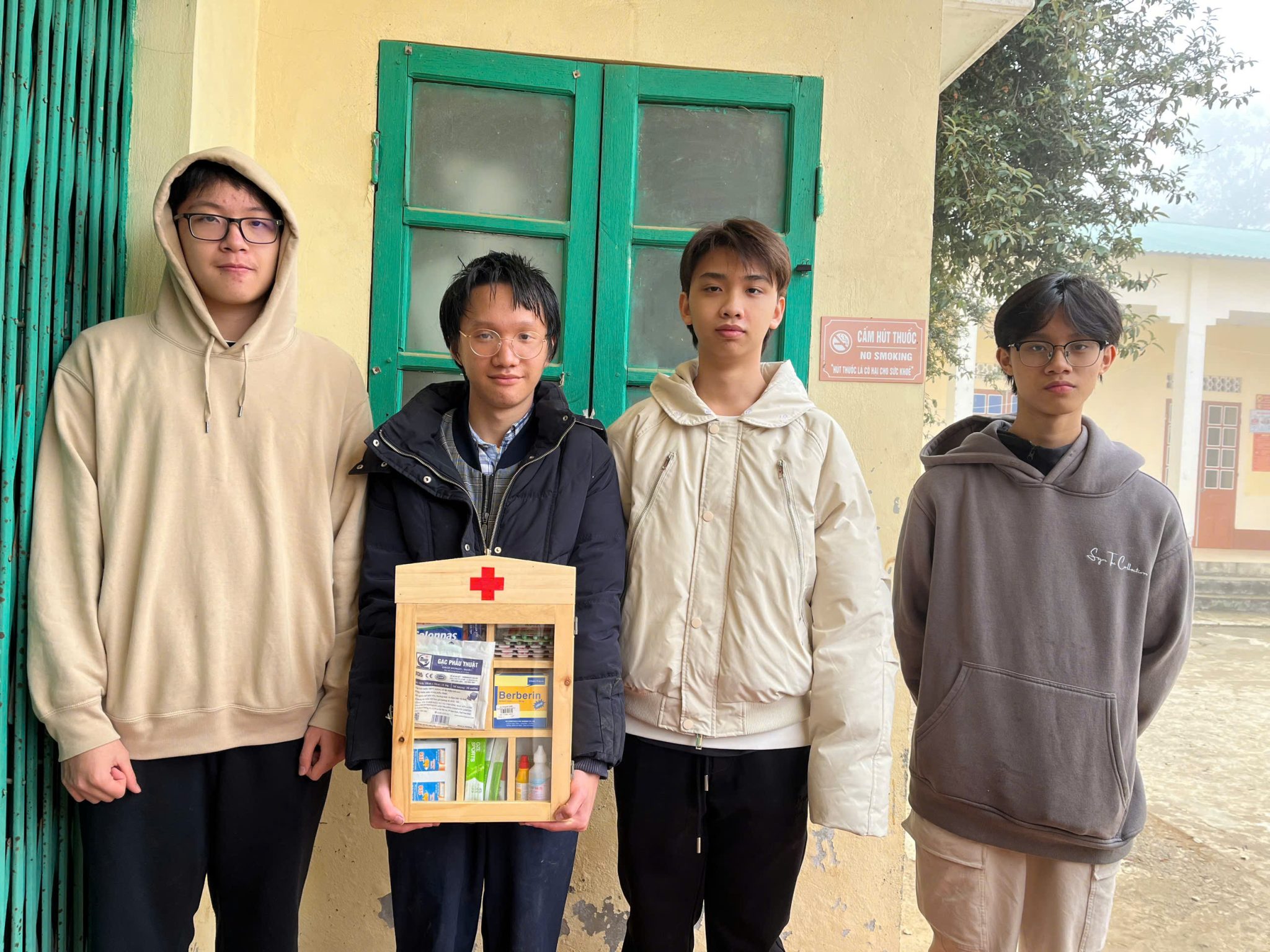
Through mentoring and workshops, I have worked with students on electronics, Arduino projects, embedded systems, programming, web development, and engineering design.
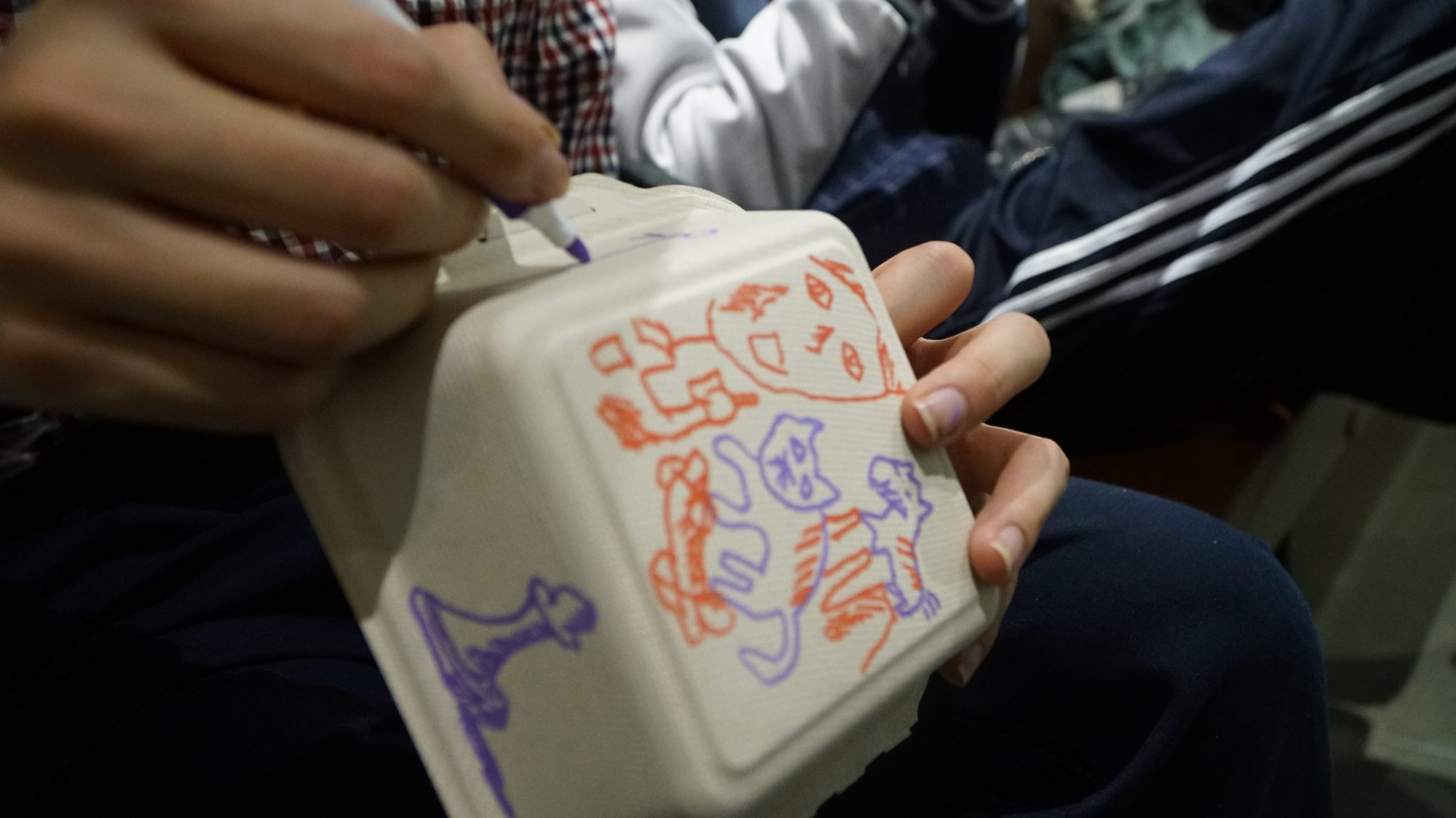
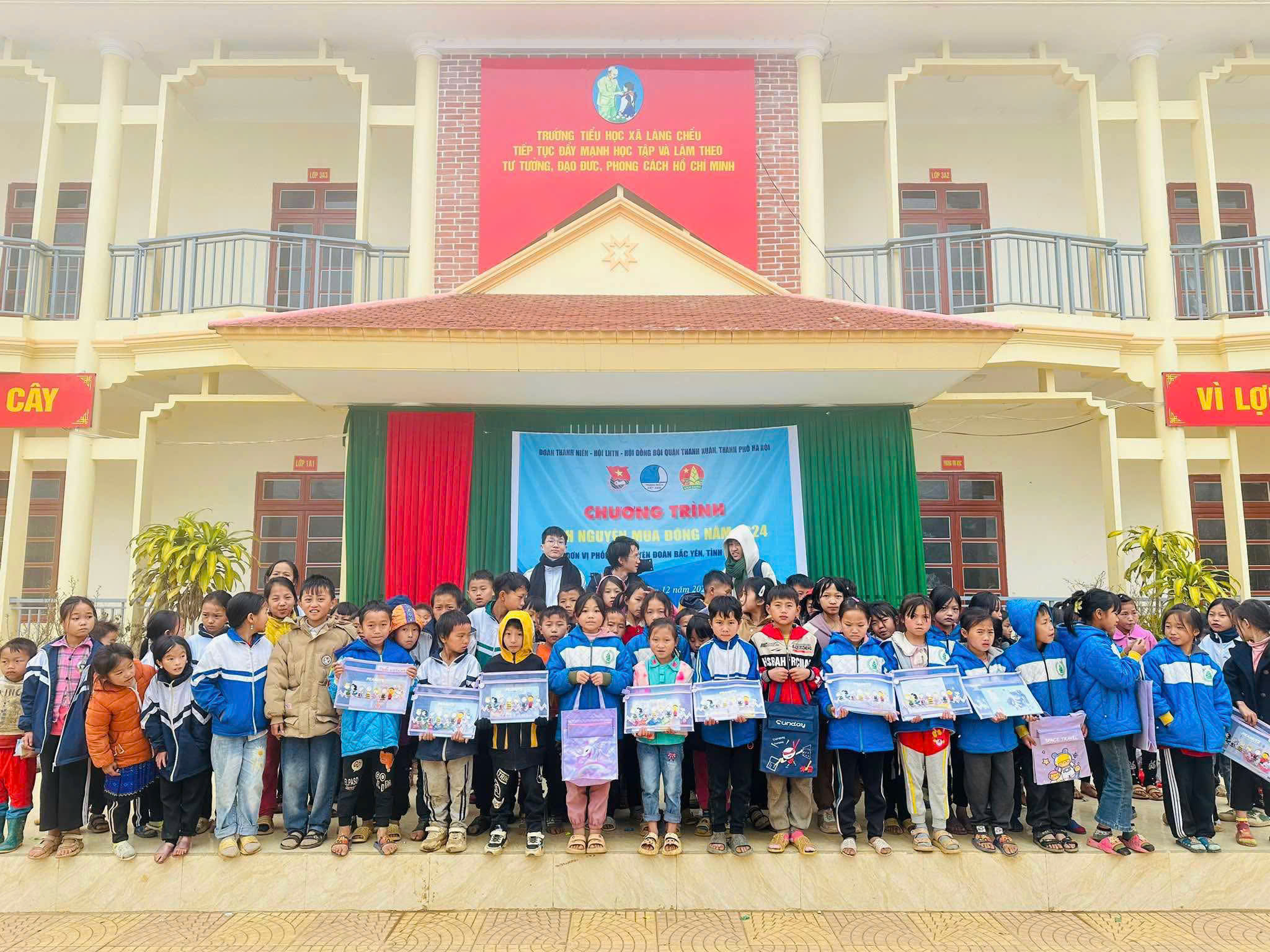
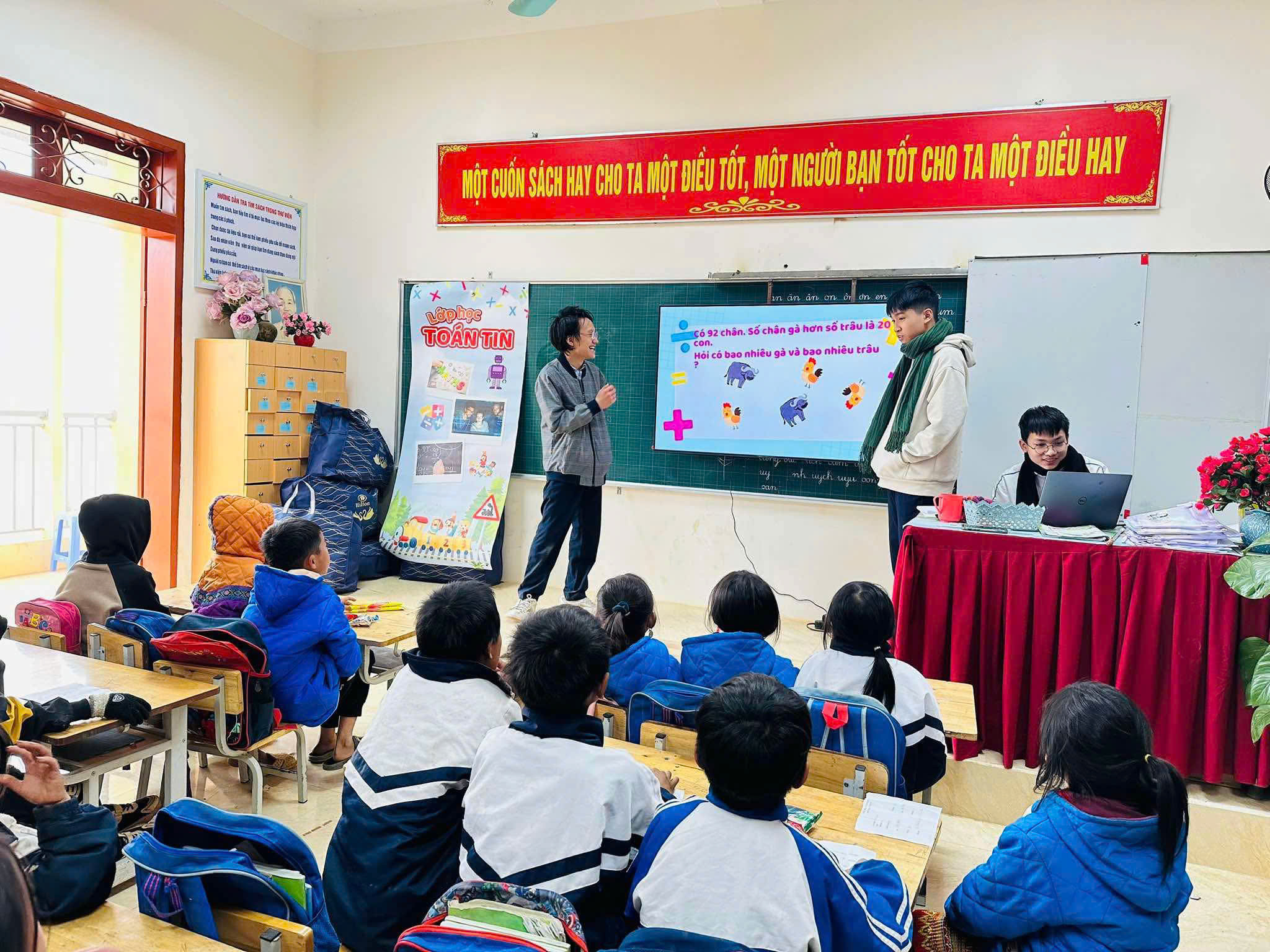
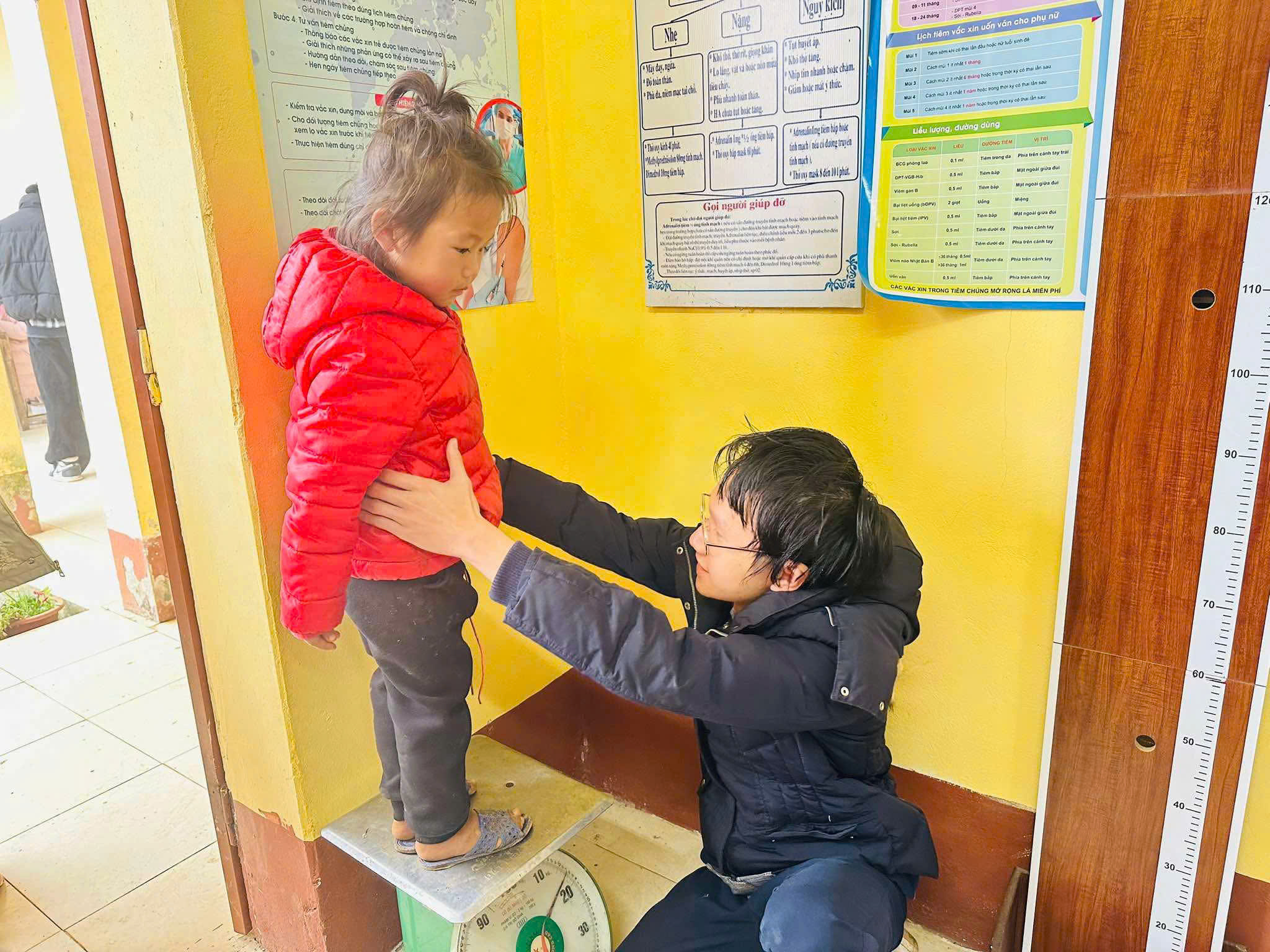
Bringing STEM Beyond the Classroom
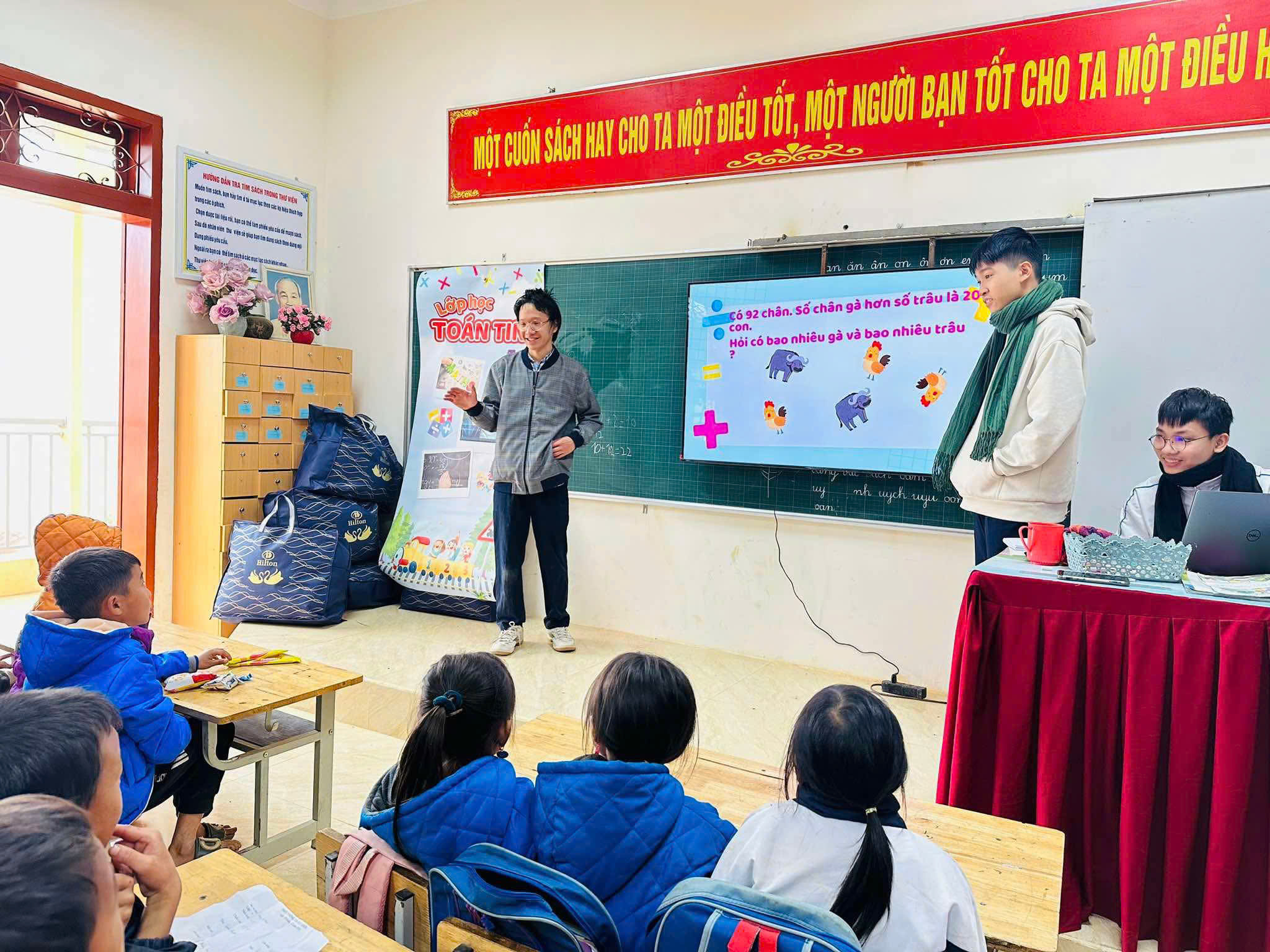
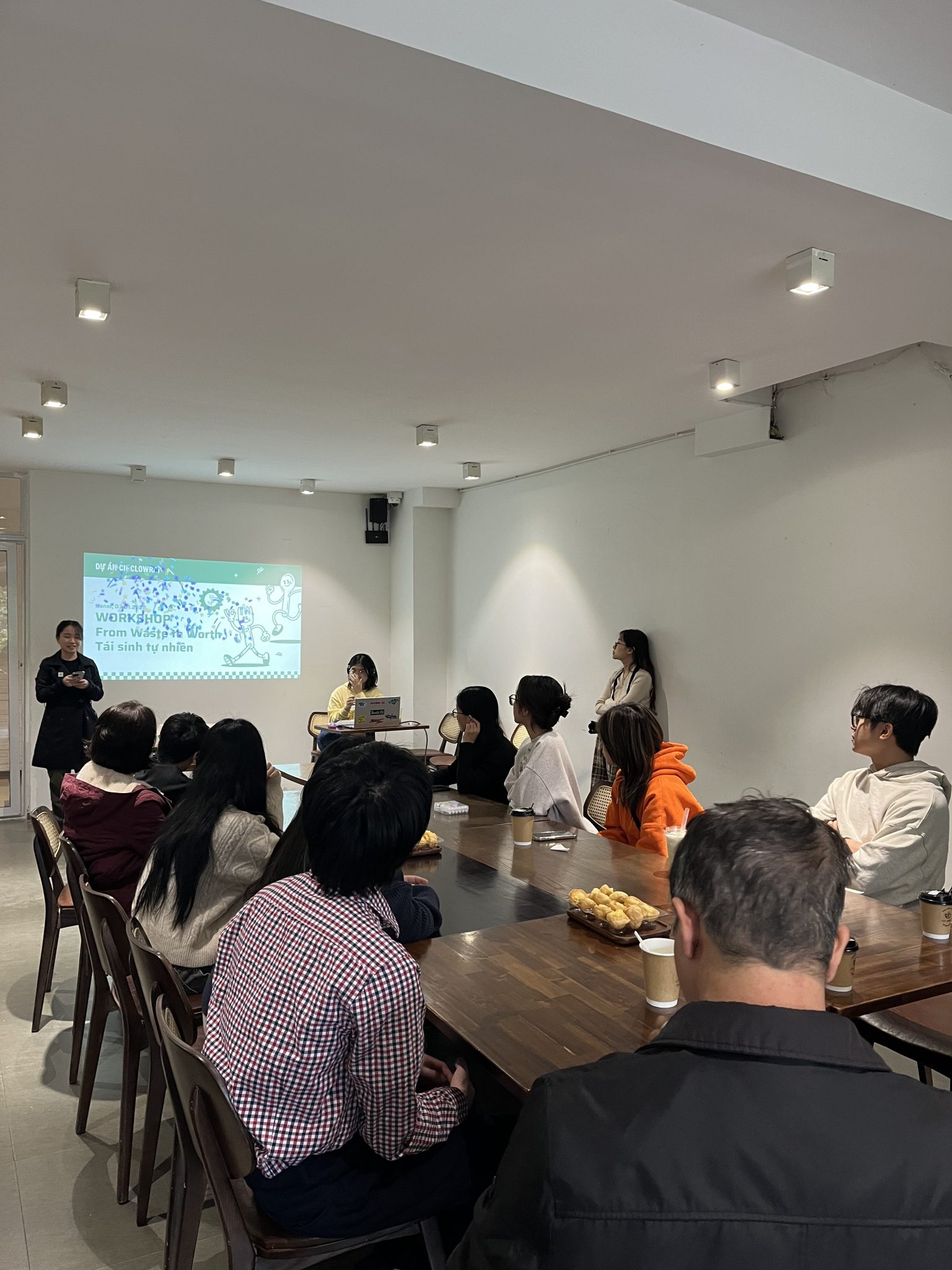
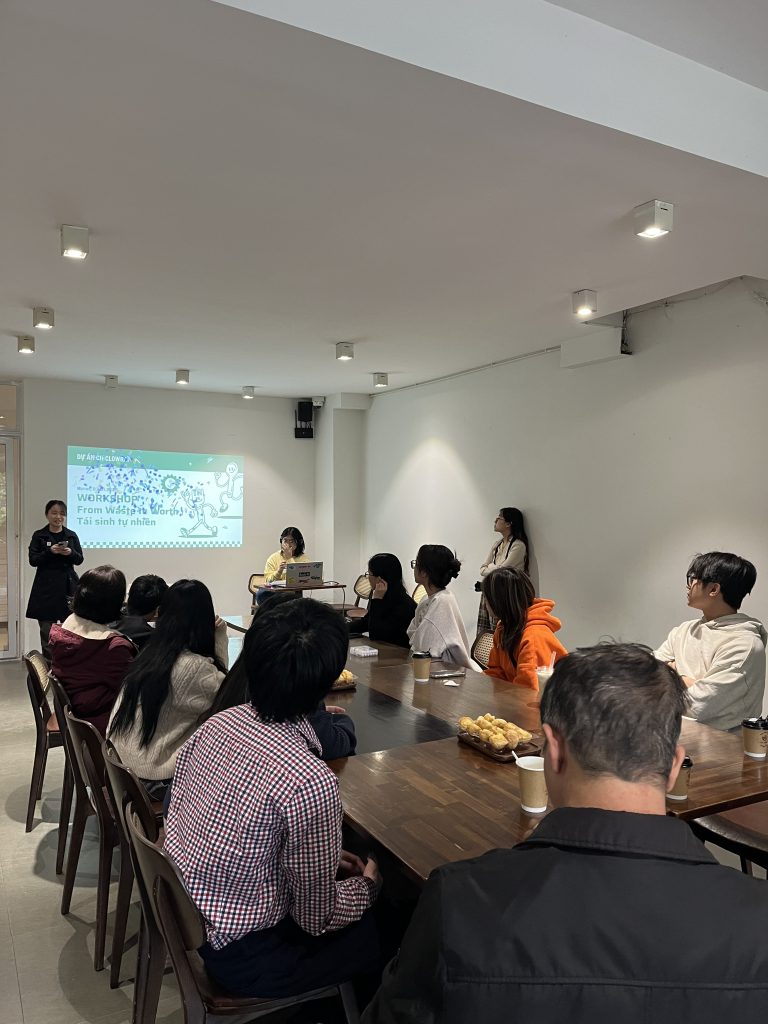
I have also had the chance to work with other students to organize STEM workshops and hands-on activities.
These experiences made me think differently about STEM education.
For me, a good STEM activity does not have to begin with a complicated explanation. It can start with something much simpler:
“What happens if we try this?”
From there, students can build a circuit, write a piece of code, test a small experiment, or create a prototype. They can make mistakes, figure out why something went wrong, and try again.
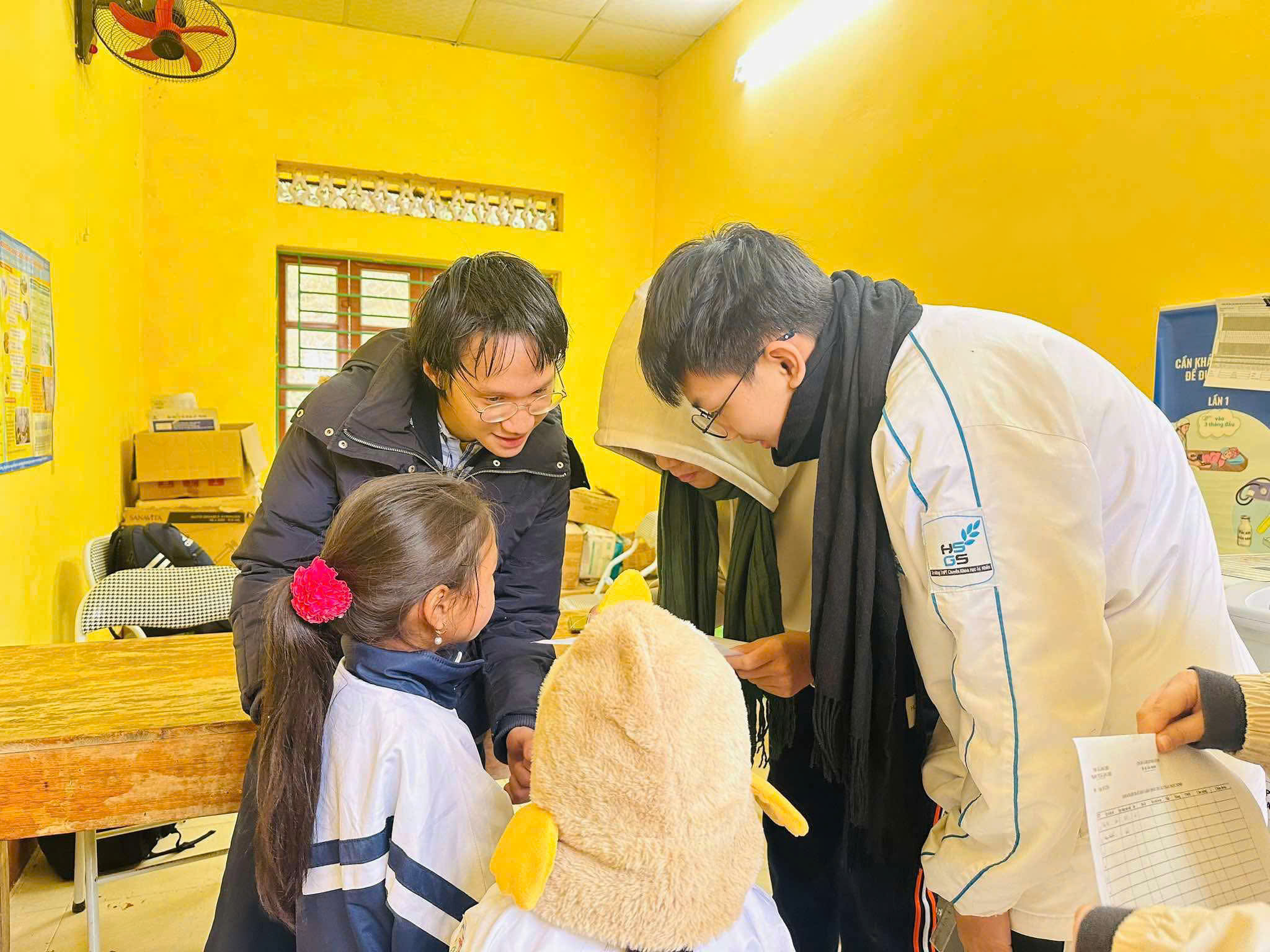
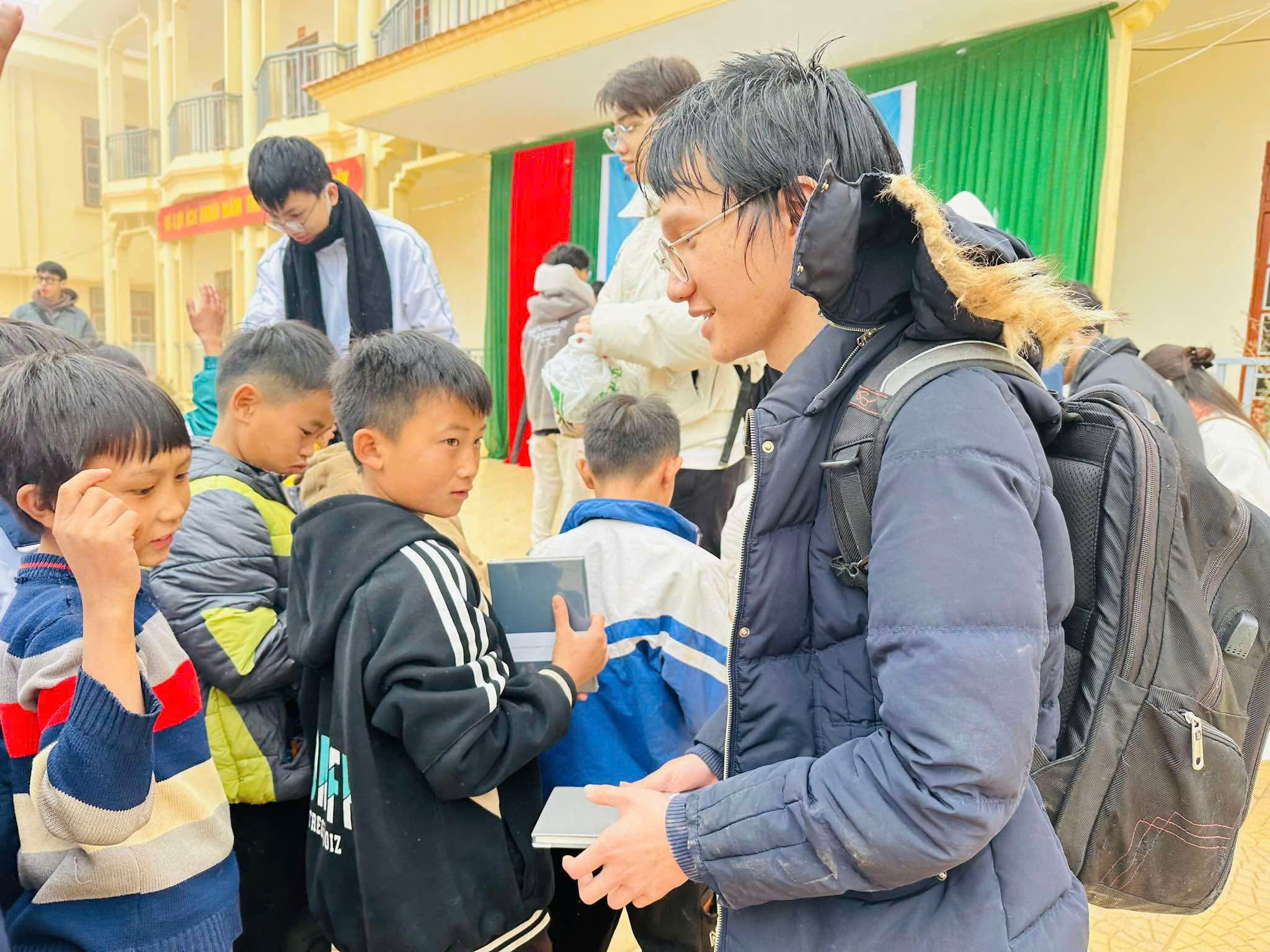
I have particularly enjoyed bringing these activities to students who may not always have access to the same resources or opportunities.
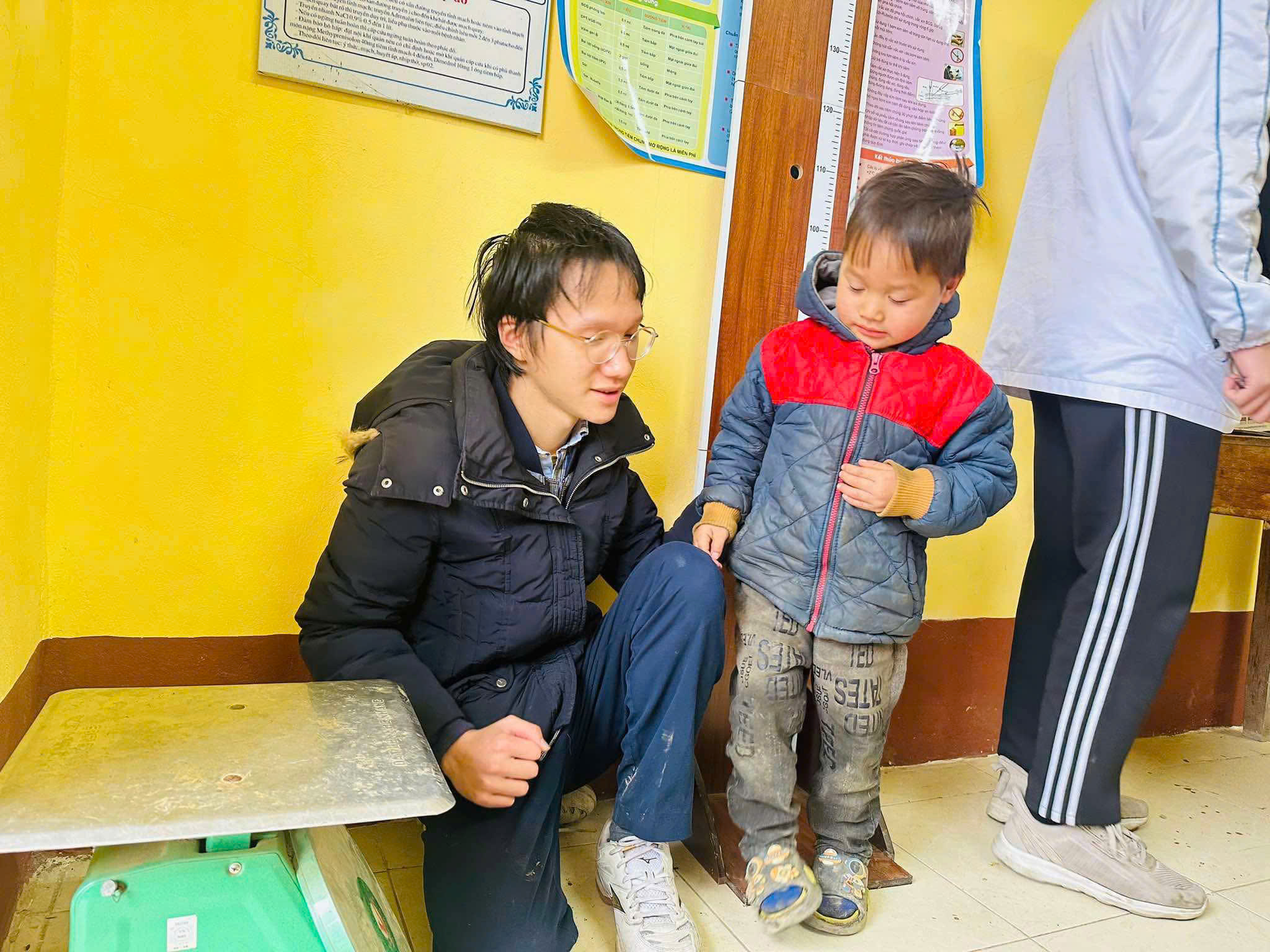
One of the most memorable experiences was working with students at Phu Nhu Ethnic Boarding School in Yen Bai. Seeing students become curious about something they had never worked with before reminded me why I enjoy sharing STEM in the first place.
For me, STEM becomes much more meaningful when students can touch it, build it, break it, and try again.
Teaching & STEM Outreach
Teaching has also changed the way I learn.
When you understand something yourself, it can feel obvious. But trying to explain it to someone else quickly shows you which parts you actually understand — and which parts you don’t.
That is why I enjoy turning ideas from physics, electronics, and programming into small experiments, demonstrations, and engineering challenges.
I don’t want science to feel like a collection of formulas that students have to memorize.
I want it to feel like something they can play with, question, and figure out for themselves.
Beyond STEM
STEM is a big part of what I do, but it is not the only place where I have learned how to work with people.
Some of my most important lessons about communication and teamwork have actually come from things that have nothing to do with engineering.
Model United Nations
MUN introduced me to another kind of problem-solving.
Instead of building something with circuits or code, I had to work with ideas, arguments, different perspectives, and people.
I learned to research topics I knew very little about, understand positions that were different from my own, and communicate an argument clearly without losing sight of the bigger discussion.
The most interesting part was realizing that there is rarely just one way to look at a problem.
Sometimes the goal is not to prove that your idea is the best one.
Sometimes it is to listen, adjust, negotiate, and find a solution that people can actually work with.
What I Take From These Experiences
- STEM taught me how to build and solve problems.
- Teaching taught me how to share what I know.
- Theatre taught me how to work with people.
- MUN taught me how to listen to perspectives different from my own.
- They may seem like very different things, but I think they have gradually shaped the same part of me:
- I like building things, working with people, and figuring things out together.