Things I’ve Built

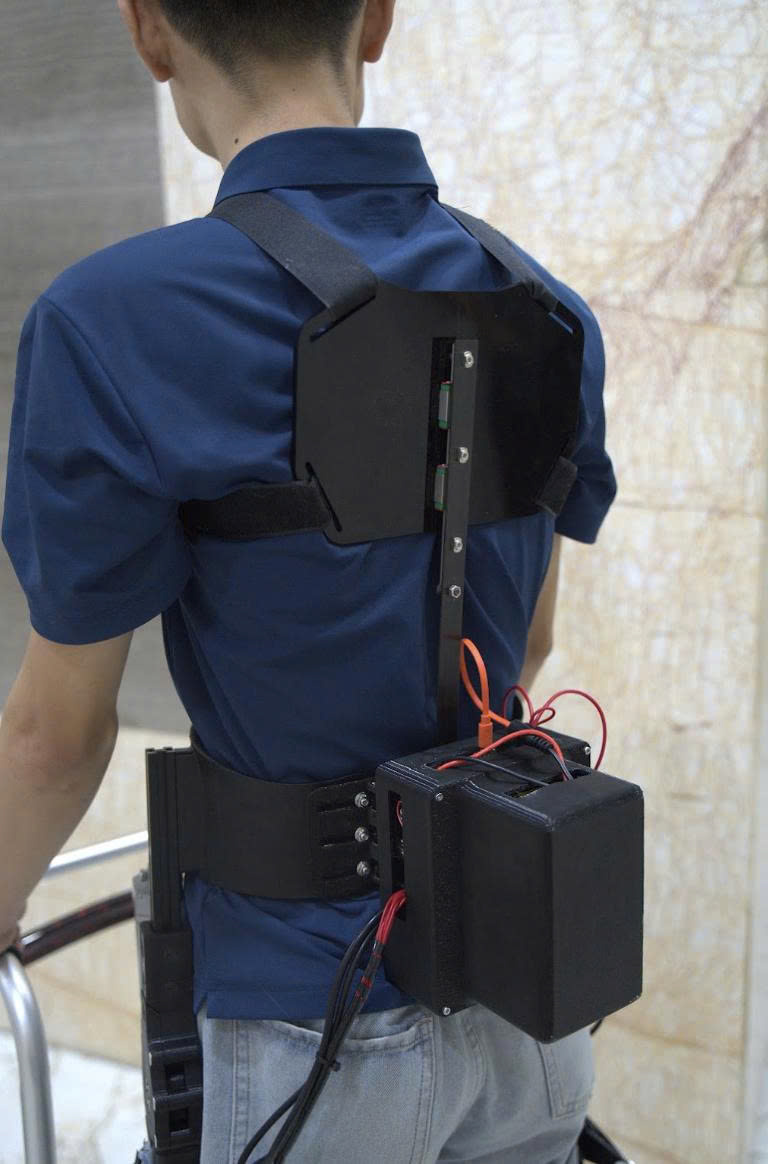
Exoskeleton Assistive Robot

A wearable robotic exoskeleton designed to support balance and mobility for elderly users and people with mobility difficulties.

From an Idea to a Working System

The system brings together several components:

IMU Sensors → Controller → PID Control → Actuation → Feedback

I worked with IMU sensors, a custom controller PCB, ESP32, Raspberry Pi, actuators, and a display system. The robot can also connect to a mobile application for monitoring and interacting with the system.

An AI model is built using repeated posture data collected from the IMU sensors, helping the system better understand and respond to the user’s movements.

Real-World Testing

After building and calibrating the system, I conducted weekly real-world testing over 3 months with 10–15 elderly users and people with mobility difficulties.

  • 50–80 ms response time
  • 15–20% improvement in stability
  • 80% positive feedback from test users

I continue to refine the system based on what happens during testing — from stability and response time to overall comfort and usability.

I learned that an engineering product does not just need to work. It needs to work reliably and make sense for the people who actually use it.

Surgical Assist Arm

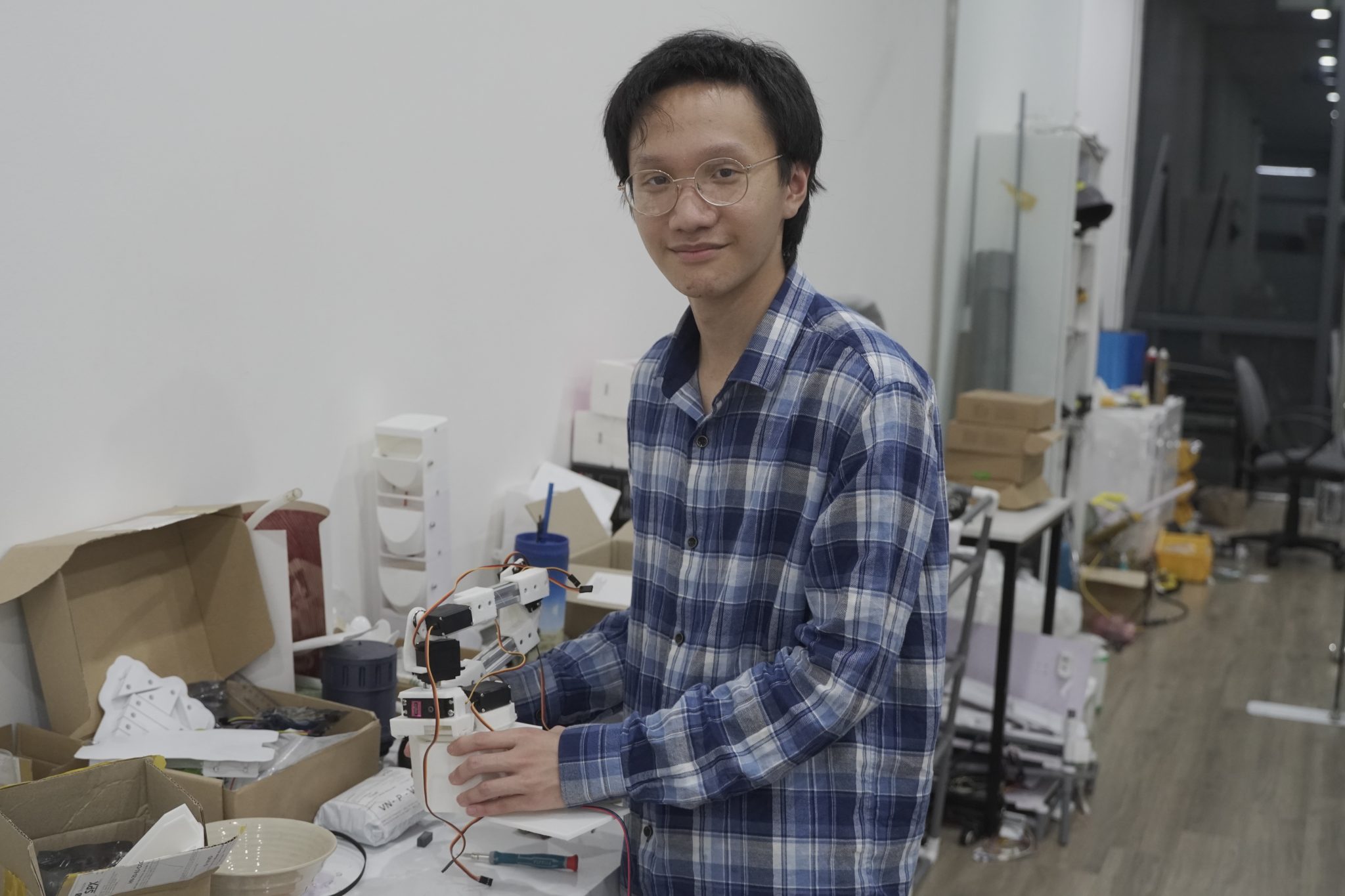
A 4–6 DOF robotic arm developed for surgical assistance and medical training applications.

I used Arduino/ESP microcontrollers, servo motors, and stepper motors, with PWM/UART communication for motion control. I also worked on the circuit design and 5V–12V power system.

Testing & Refinement

  • 90% operational stability
  • <100 ms control latency
  • <5% positioning error
  • Multiple rounds of testing and refinement

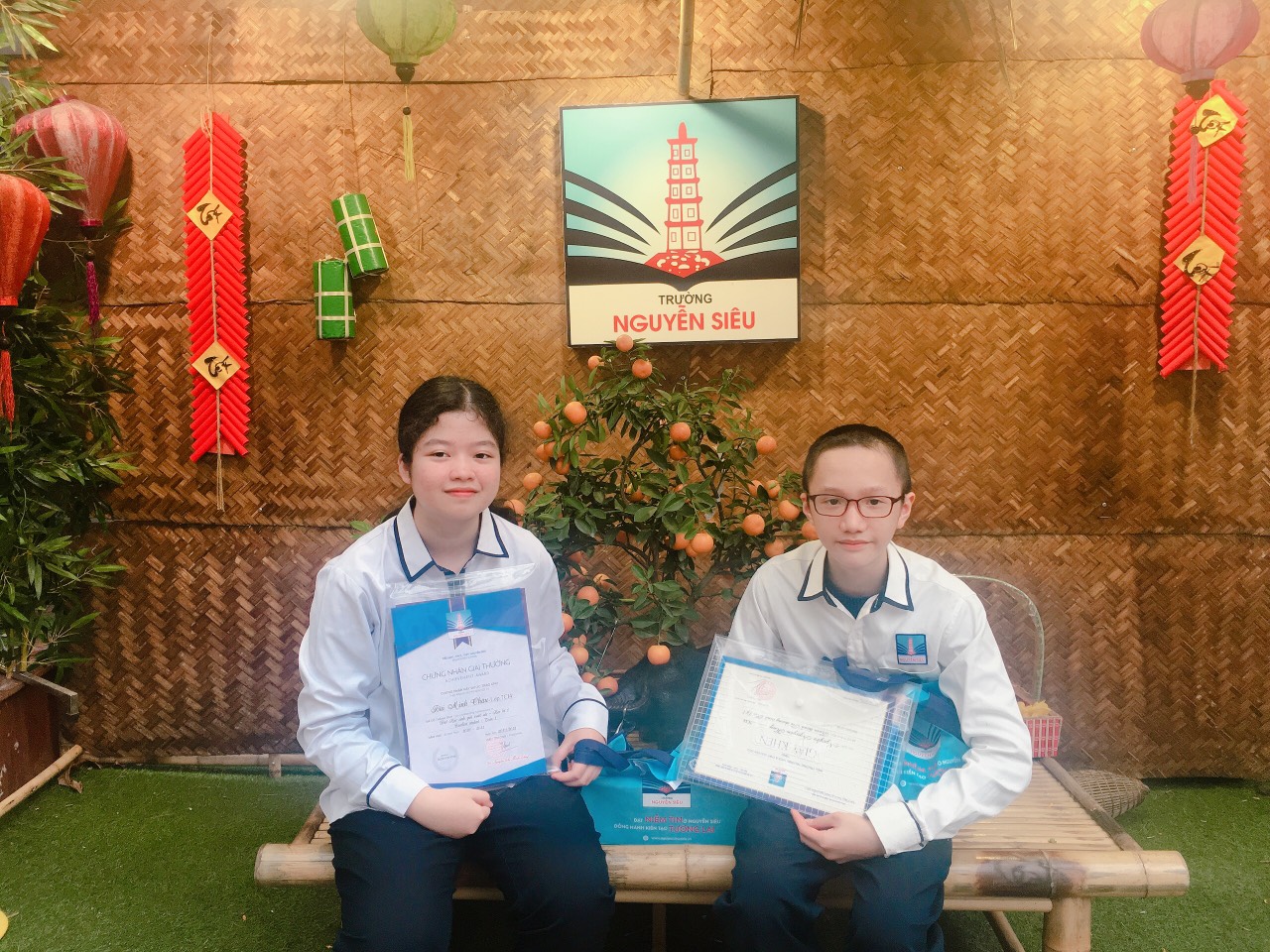
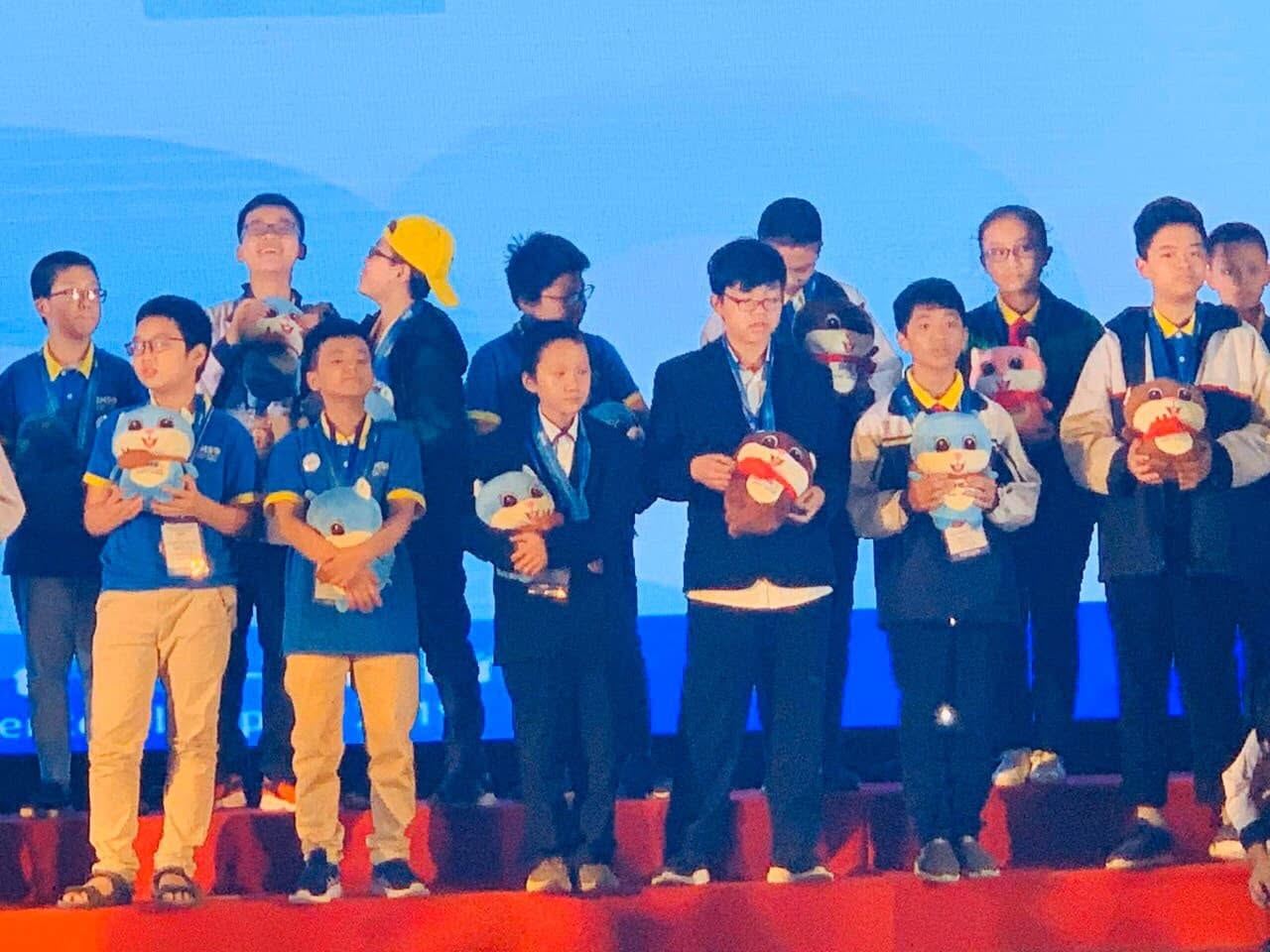
The project received First Prize at a STEM Fair.

What I found most interesting was not simply completing the first version, but finding what did not work well and continuing to improve it.

Mathematical Olympiad Book Project

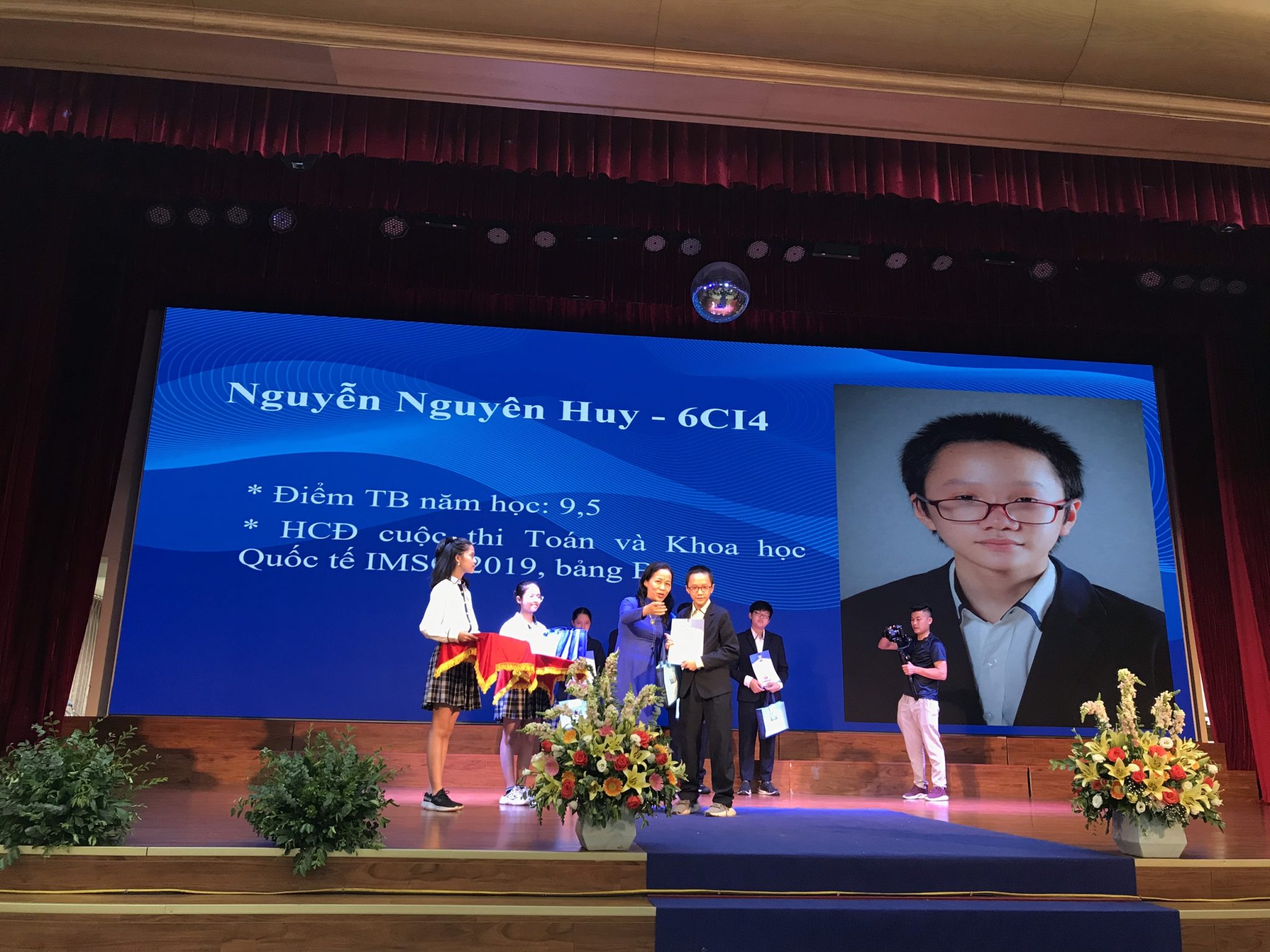
The project started with something I already enjoyed: solving challenging mathematical problems.

I wanted to create a resource that other students could use, so I began researching, organizing, and compiling problems covering Number Theory, Combinatorics, and Graph Theory.

What started as a personal project eventually became a publishing project with:

500 books → 400 sold → 40 million VND in profit

But I did not want the project to stop at publishing books.

From Mathematics to Community

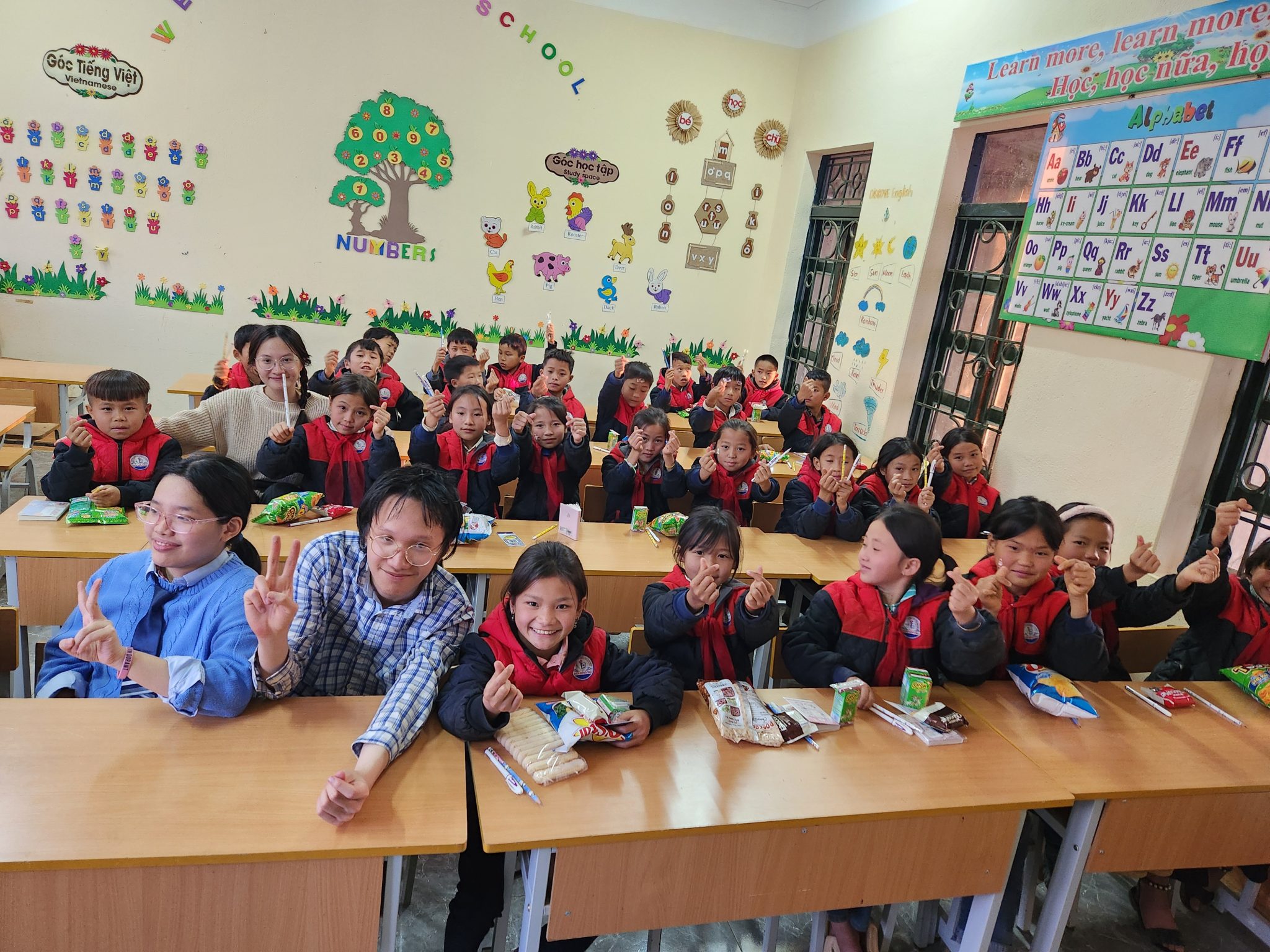
20 million VND was allocated to a scholarship fund, along with:

  • 200 backpacks
  • 300 sets of school supplies

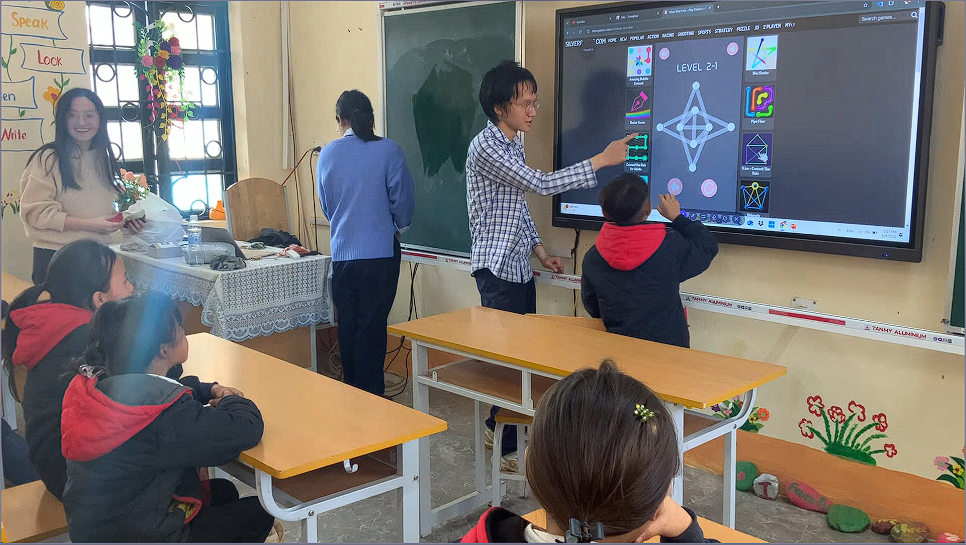
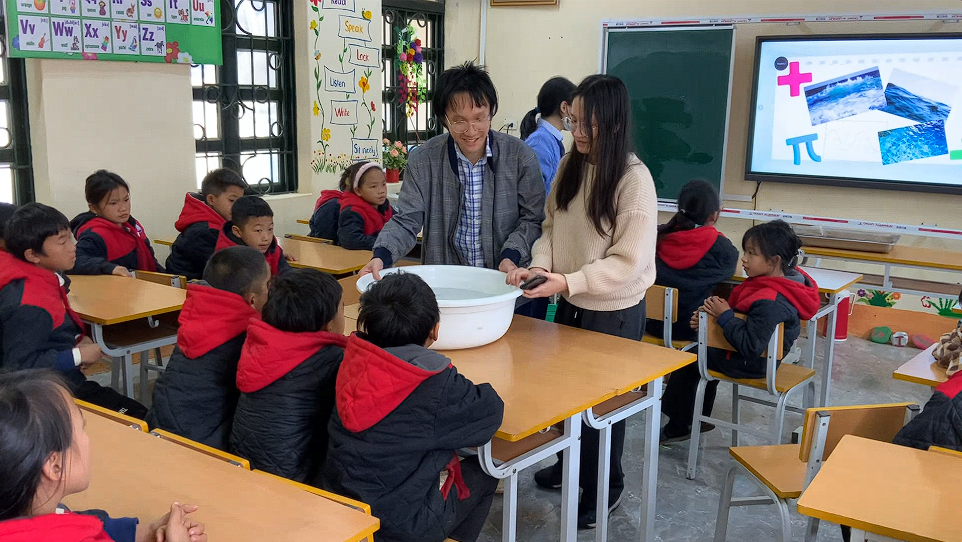
to support students at Lang Chếu Primary School in Tà Xùa.

I started this project because I enjoy mathematics. But the more I worked on it, the more I realized that knowledge can also be a way to create an impact for others.

On Polynomials with Only Real Roots

I explore the properties of polynomials whose roots are all real, with a particular focus on the relationship between these polynomials and their higher-order derivatives.

During the research process, I developed and verified 15+ lemmas and propositions, while reviewing 25+ academic sources.

I also explored how these properties can connect to stability analysis and control systems.

Elastic Wave Dynamics and Stability in Mechanical Systems

This project explores a mechanical system consisting of a spherical body suspended by a rubber band and undergoing torsional oscillations.

I developed a model to investigate the relationship between mass, radius, frequency, and motion, then compared the theoretical model with experimental results.

The process follows a continuous loop:

Model → Experiment → Measurement → Comparison → Refinement

Current results show a difference of less than 2 ms between the predicted and observed timing of standing-wave formation.

What I’m Learning

Through both research and building projects, I’ve realized that I keep coming back to the same process:

Ask a question → Learn → Build → Test → Find a problem → Try again.

Mathematics helps me see structure.
Physics helps me understand how a system works.
Engineering gives me a way to turn those ideas into something that can work in the real world.

And most importantly, I still want to keep asking questions I don’t yet know the answers to.